

As UAV (Unmanned Aerial Vehicle) technology rapidly advances, the airspace security landscape is changing. Standard drone detection systems with a range of 3 to 5 kilometers are increasingly insufficient for critical infrastructure, border security, and high-level event protection. Today, a 10km detection radius is becoming the new benchmark, providing security teams with the crucial early warning time needed to deploy jamming countermeasures.
The fundamental difference between a basic detector and a 10km-grade module lies in the RF front-end design. To detect a drone at 10 kilometers, the module must possess an exceptionally low noise figure and a highly sensitive LNA (Low Noise Amplifier). Look for modules that offer advanced digital signal processing (DSP) and FPGA-based architecture to filter out interference and isolate UAV links in real-time.
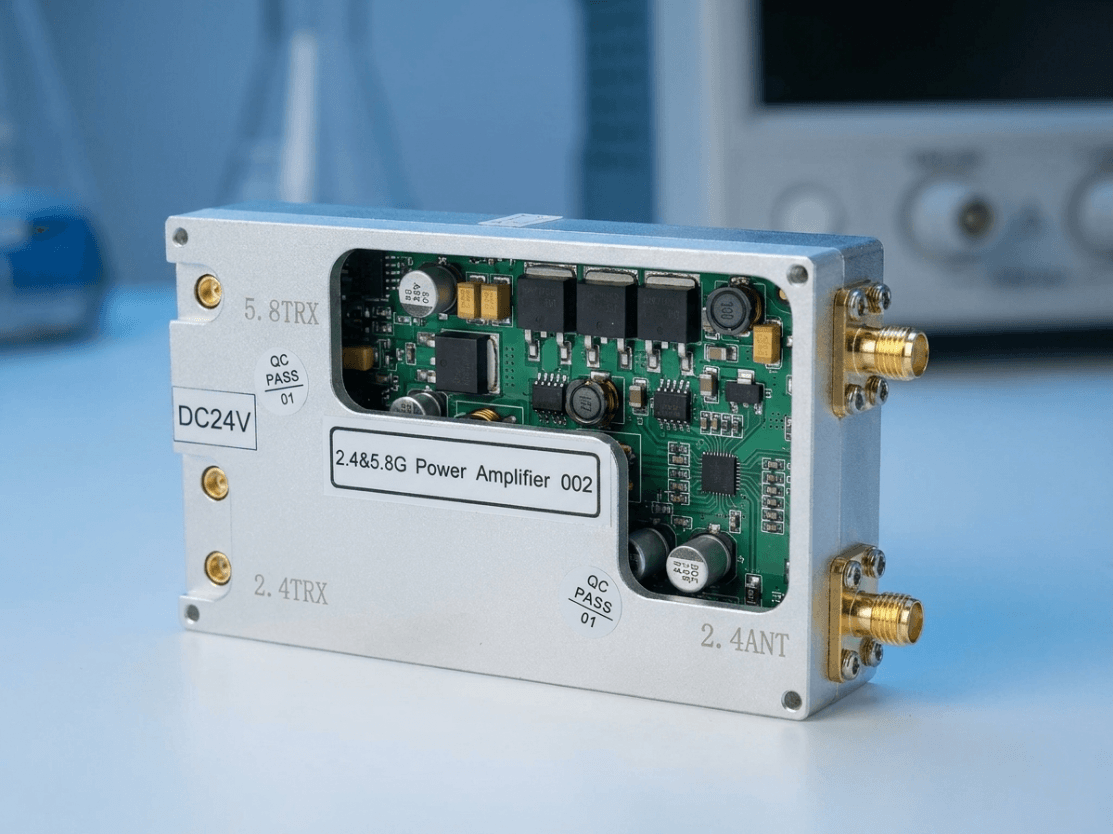
Datasheets often boast impressive theoretical ranges, but real-world performance is the only metric that matters. RF signals attenuate exponentially over distance and are heavily affected by terrain and weather.
In rigorous field conditions, a truly optimized handheld detection system must prove its capabilities. For instance, high-performance systems like the H2L have successfully registered drone telemetry links at distances up to 9,798 meters. This specific capability—to detect the weak downward video/data link from the drone itself rather than just the strong uplink from the remote controller—is the ultimate test of a detection module's sensitivity.

Finally, an ultra-long-range module must be built for harsh deployments. Whether operating in extreme cold or high-humidity coastal areas, the thermal management of the RF module is critical. Ensuring your chosen module has robust thermal dissipation and industrial-grade operating temperature ratings ensures that your 10km detection radius does not shrink when the weather turns hostile.
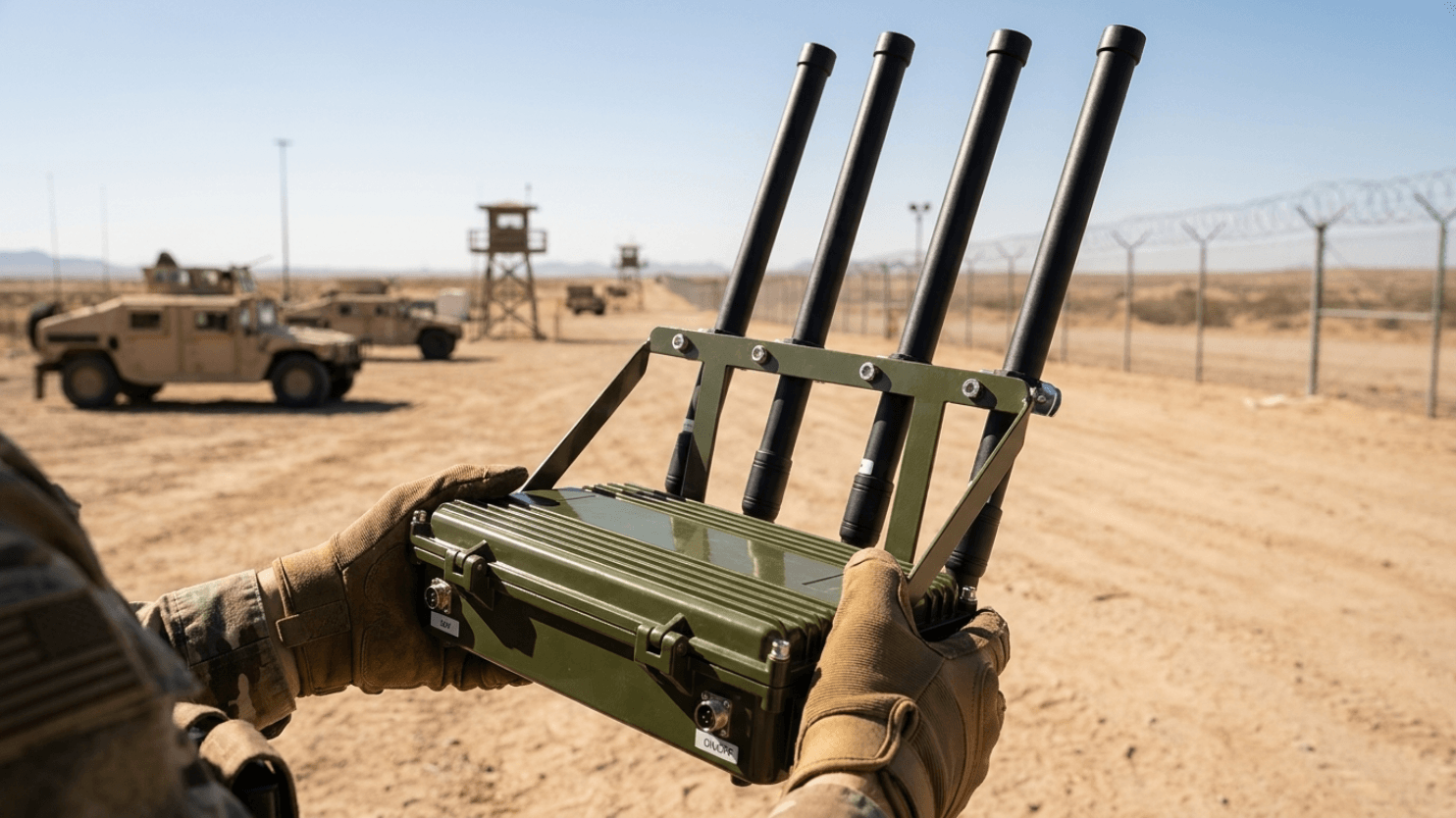
Conclusion: Selecting a 10km drone detection module is a strategic decision that dictates the effectiveness of your entire C-UAS infrastructure. At RF Apex, we specialize in high-performance RF modules designed for the most demanding counter-drone applications.
Talk to our team — we'll recommend the right system for your deployment scenario.